Introduction
Sharks have always been fascinating creatures, captivating our imagination with their power and beauty. For art enthusiasts, creating shark drawings can be an exciting way to explore this majestic underwater world. Whether you are a beginner or an experienced artist, shark drawings offer a unique opportunity to unleash your creativity and showcase your skills. In this article, we will dive deep into the realm of shark drawings and provide you with inspiration, techniques, and tips to create stunning artworks.
The Beauty of Shark Drawings

Shark drawings allow artists to capture the dynamic essence of these magnificent creatures on paper or canvas. From the sleek curves of their bodies to the razor-sharp teeth and fierce eyes, every detail in a shark drawing can convey strength, grace, and raw power. Whether you choose to depict a great white shark, a hammerhead, or any other species, the possibilities for creating visually stunning shark drawings are endless.
Getting Started: Materials and Tools
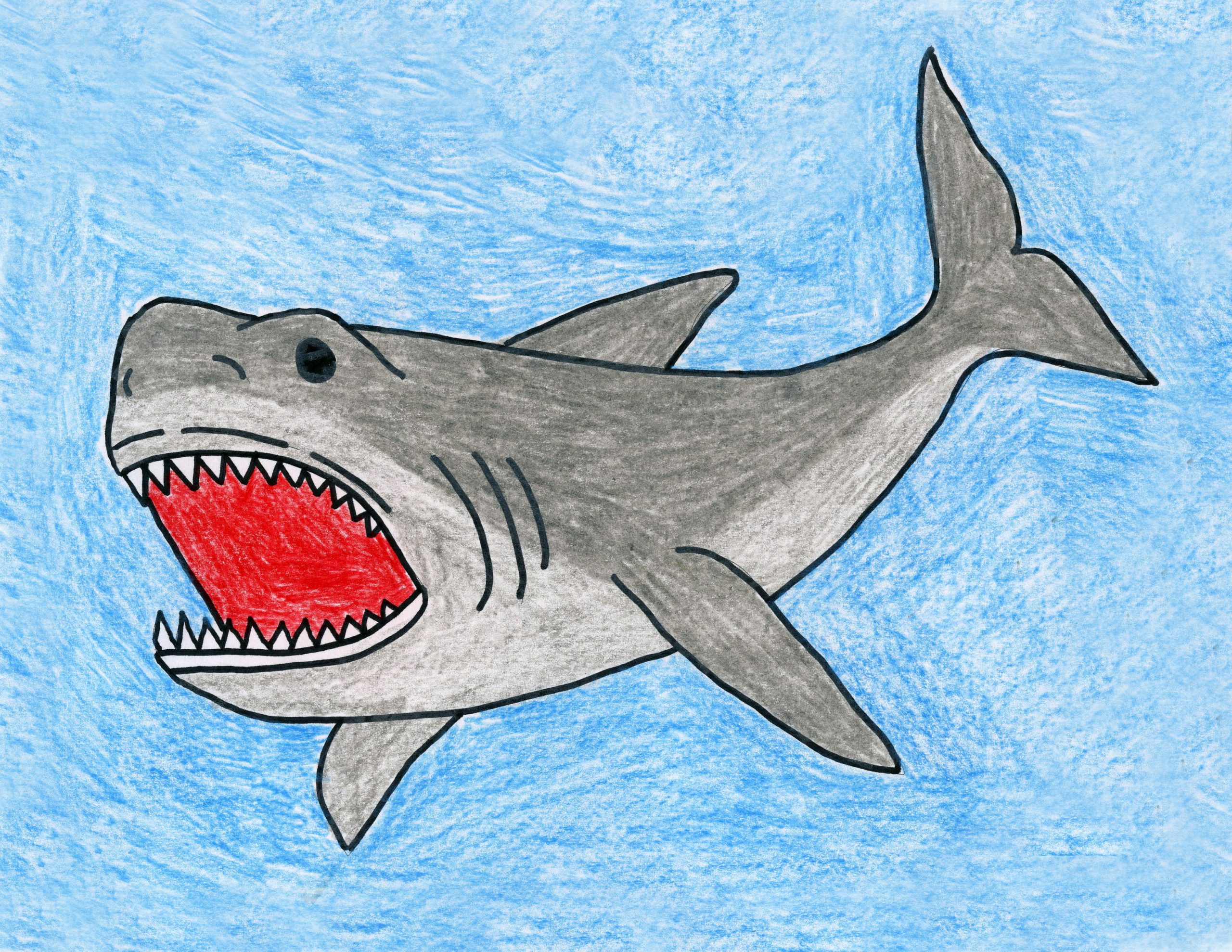
Before you embark on your shark drawing journey, it is important to gather the right materials and tools. Here are some essentials you'll need:
- Pencils of various hardness (2B, 4B, 6B)
- High-quality drawing paper or sketchbook
- Erasers (kneaded eraser and a regular eraser)
- Blending tools (tortillons or blending stumps)
- Ink pens or fine liners for outlining
- Reference images of sharks
Exploring Different Techniques

When it comes to shark drawings, there are various techniques you can experiment with to achieve different effects. Here are a few popular techniques:
Realism
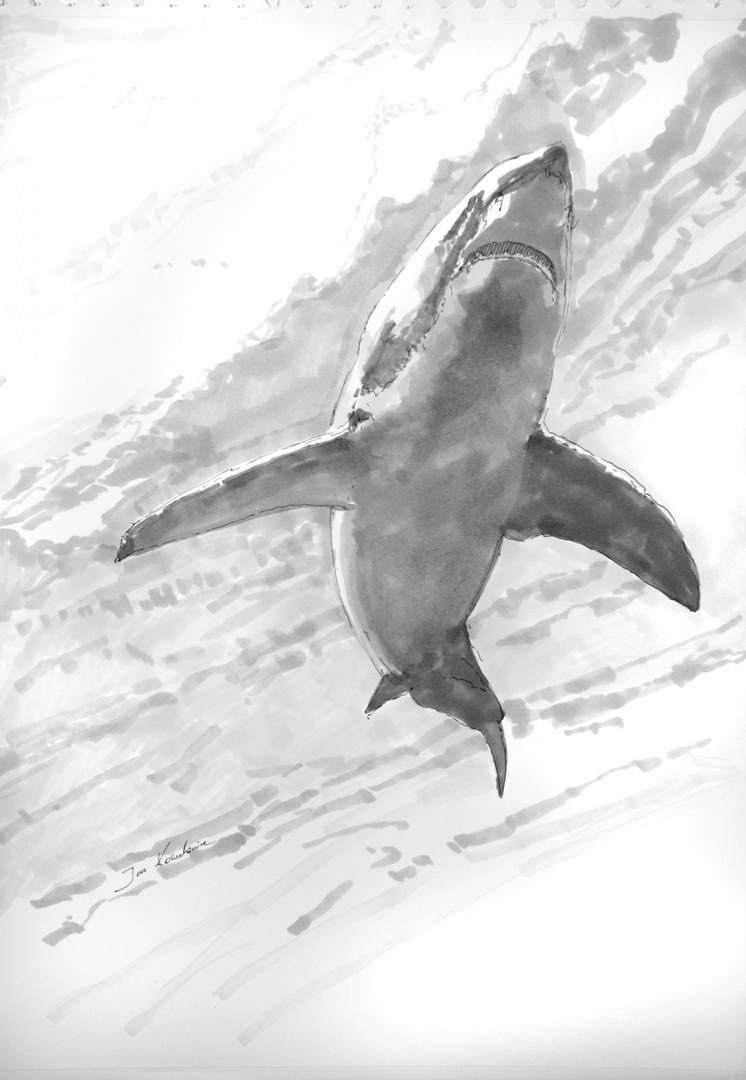
Realism focuses on capturing the smallest details with precision, creating drawings that closely resemble photographs. To achieve this, use shading techniques to render the textures of shark skin, emphasize the play of light and shadow, and pay attention to the intricate details of their anatomy.
Minimalism
Minimalism, as the name suggests, simplifies the subject to its essential elements. In shark drawings, this can involve using clean lines, bold shapes, and minimal details to create a powerful and eye-catching composition. This technique allows you to convey the essence of a shark with minimal strokes.
Impressionism

Impressionism focuses on capturing the overall impression of a subject rather than its precise details. To create impressionistic shark drawings, use loose brushstrokes or quick pencil sketches to suggest movement, energy, and the fluidity of water. Experiment with vibrant colors and play with light effects to bring your artwork to life.
Abstract
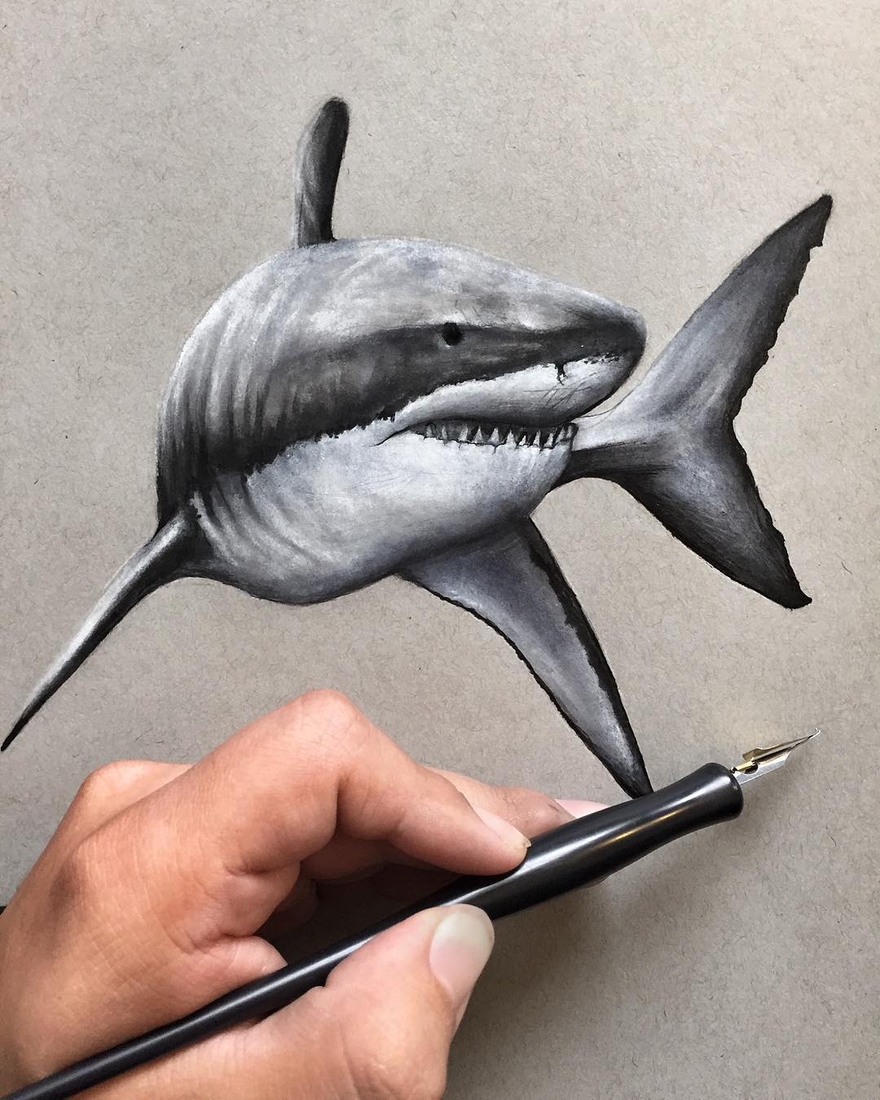
Abstract shark drawings provide the freedom to explore unconventional interpretations of these marine creatures. Play with shapes, colors, and textures to create unique and thought-provoking artworks. Let your imagination run wild and experiment with different materials and techniques to achieve abstract representations of sharks.
Tips for Creating Stunning Shark Drawings
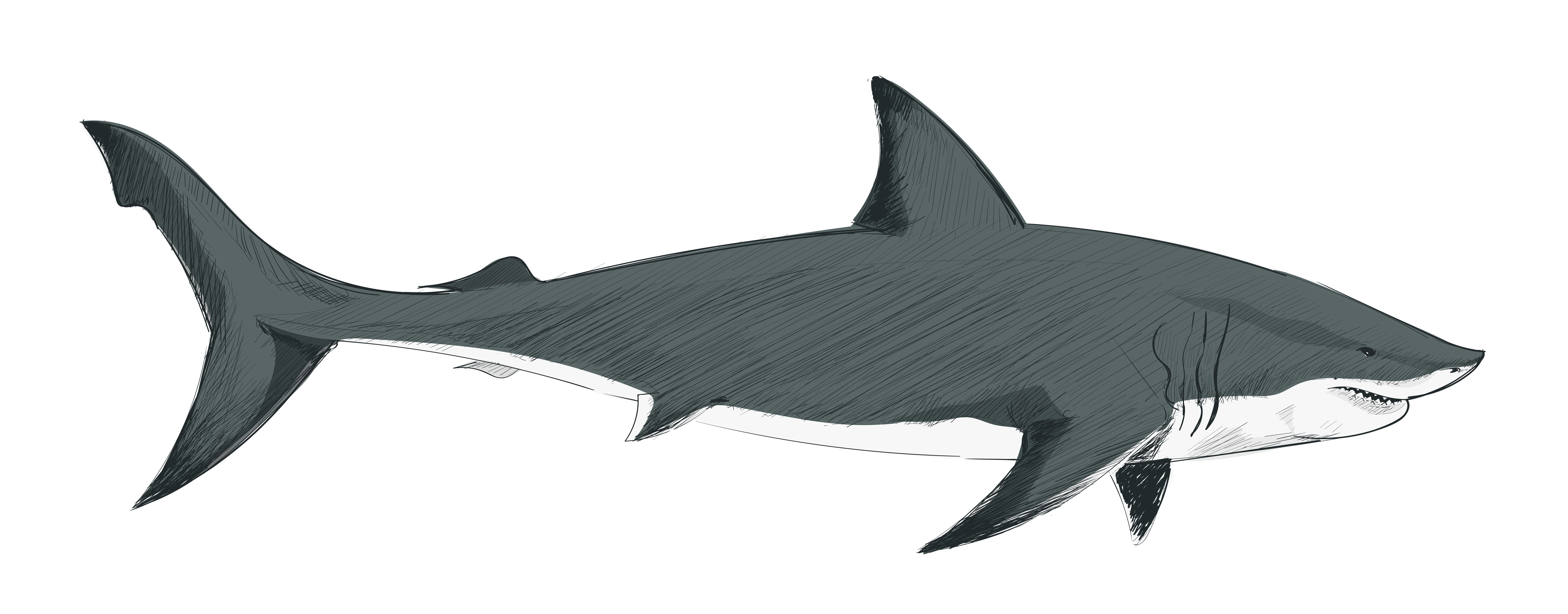
Here are some tips to help you create stunning shark drawings:
Study Shark Anatomy
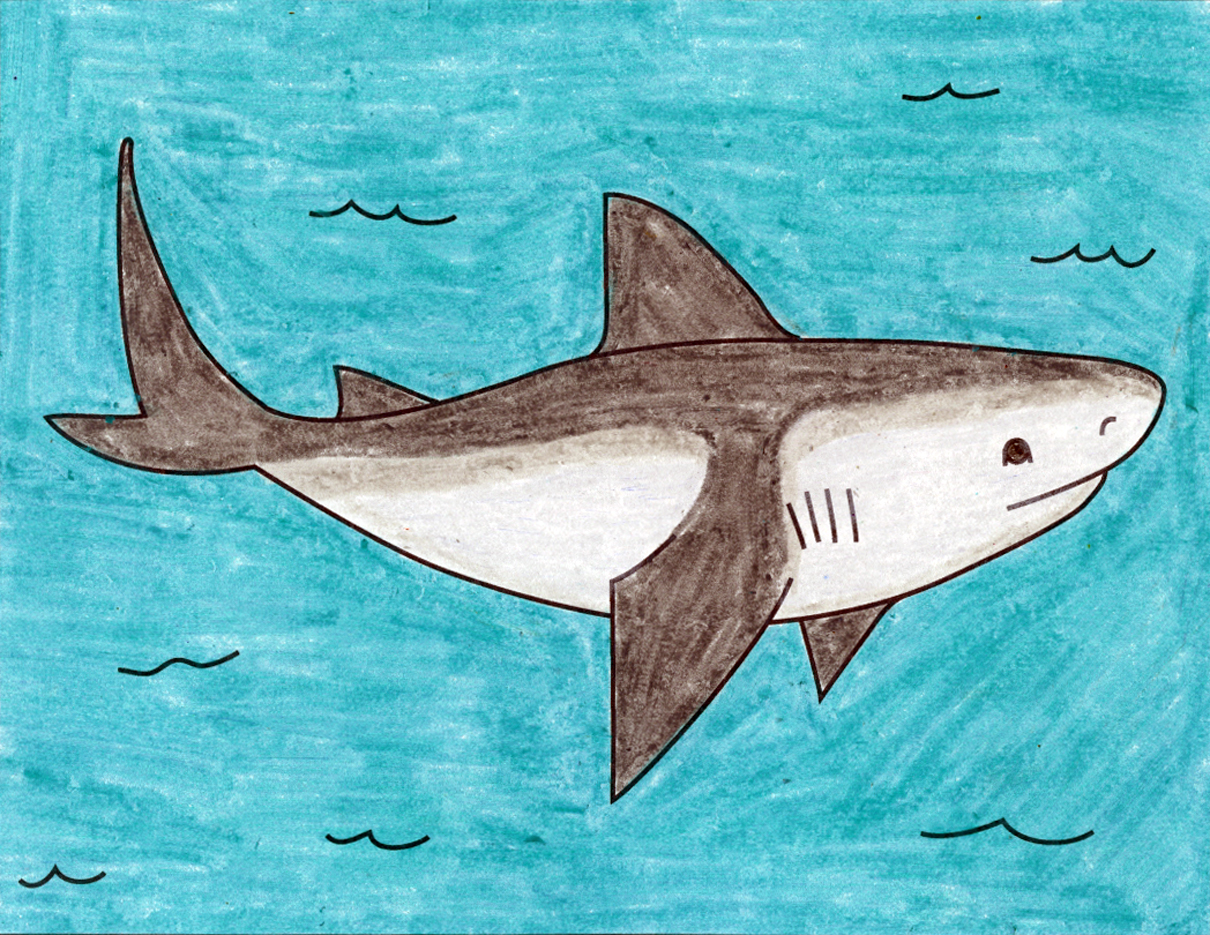
Understanding the anatomy of sharks is crucial for creating accurate and realistic drawings. Study their skeletal structure, body proportions, and unique features such as gills, fins, and tail. This knowledge will help you depict sharks with accuracy and confidence.
Use References

Using reference images of sharks is essential, especially if you want to capture specific details or poses. Look for high-resolution images that provide clear views of the shark's body, head, and fins. Analyze the play of light and shadow on the shark's skin and observe how their bodies curve in different positions.
Experiment with Perspectives
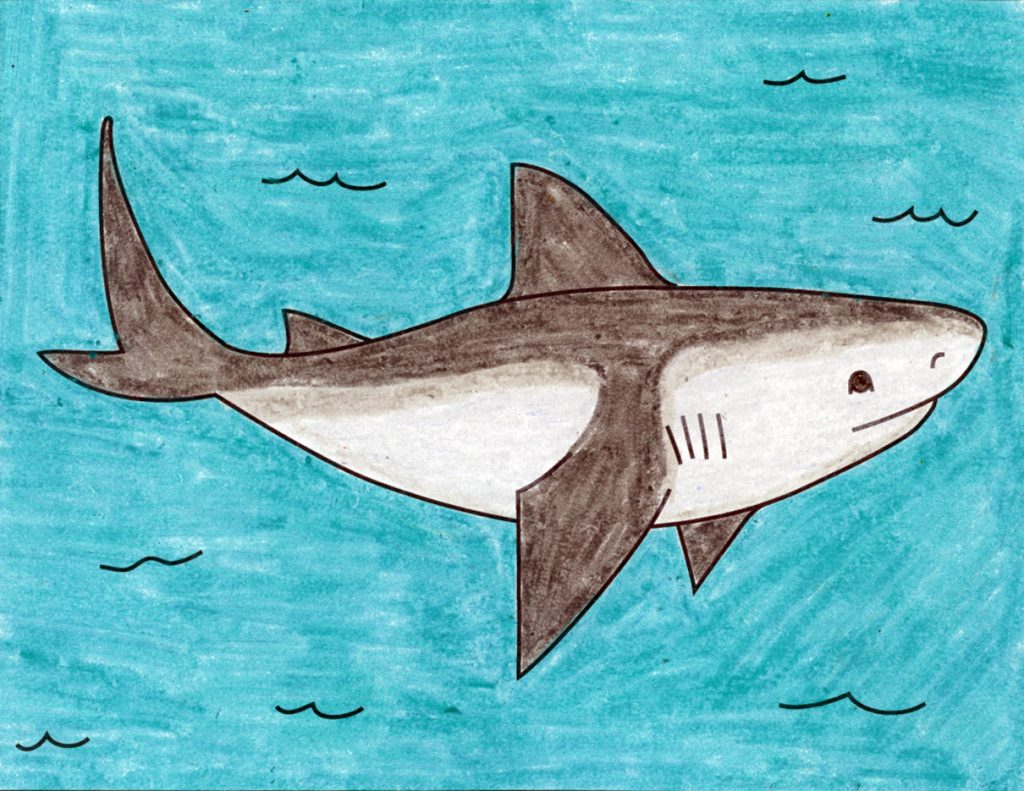
Sharks have a distinct shape and silhouette that can be explored from various angles and perspectives. Don't limit yourself to drawing sharks from a side view. Experiment with different angles, such as a top-down view or a close-up of the shark's face, to add dynamism and interest to your artwork.
Master Shading Techniques

Shading is key to adding depth and dimension to your shark drawings. Practice different shading techniques, such as hatching, cross-hatching, and stippling, to create realistic textures and volume. Pay attention to the direction of light sources and use a range of values to achieve a three-dimensional effect.
Add Details and Textures

Don't forget to add finer details and textures to make your shark drawings more captivating. Depict the rough texture of the shark's skin, the rows of teeth, and the unique patterns or scars they may have. These details will bring your artwork to life and make it more visually engaging.
Conclusion
Creating shark drawings is a thrilling artistic endeavor that allows you to explore the beauty and power of these marine creatures. Whether you prefer realistic renderings or abstract interpretations, there are endless possibilities to showcase your creativity. Remember to study shark anatomy, use references, experiment with various techniques, and add your own unique touch to make your shark drawings truly remarkable. So grab your pencils, dive into the world of shark drawings, and let your imagination swim freely!
