Introduction
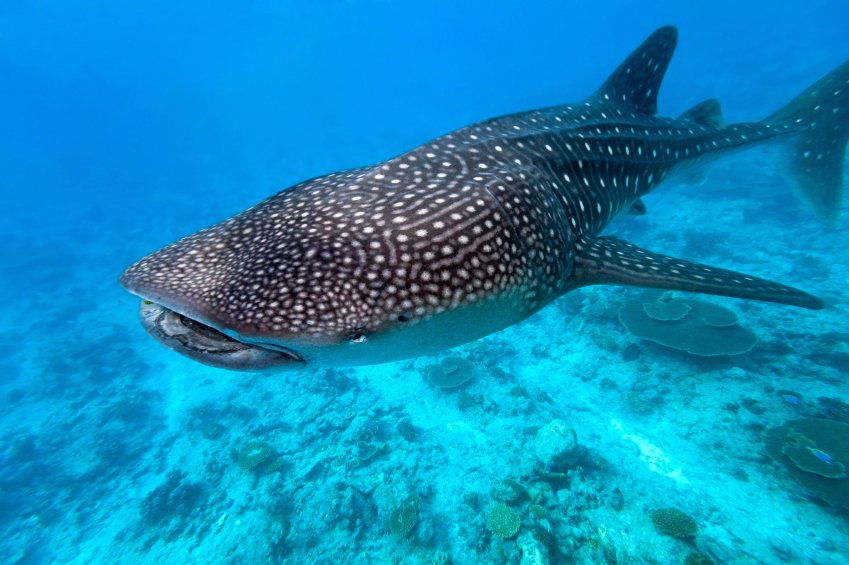
The whale shark, scientifically known as Rhincodon typus, is the largest fish species in the world. Despite its name, it is not a whale but rather a shark. These gentle giants roam the world's oceans, captivating the hearts of divers and marine enthusiasts with their immense size and peaceful nature.
Physical Characteristics
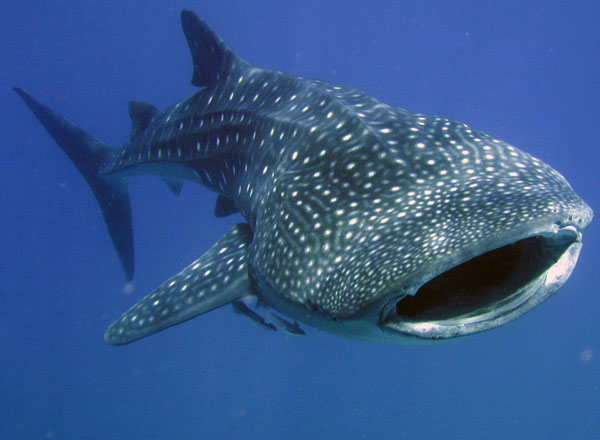
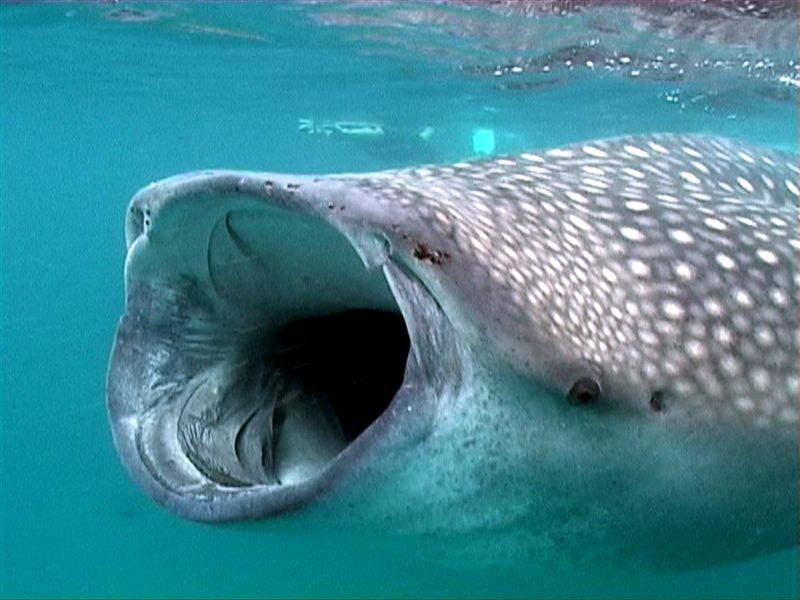
The whale shark's most distinguishing feature is its massive size, with adult individuals reaching lengths of up to 40 feet (12 meters) or more. They have a broad, flat head and a wide mouth that can stretch up to 4.9 feet (1.5 meters) wide. Their bodies are covered in distinct pale yellow or grayish-blue spots and stripes, which are unique to each individual and can be used for identification purposes.
Beneath their skin lies a layer of dermal denticles, which act as armor, protecting them from parasites and injuries. Despite their enormous size, whale sharks are filter feeders, mainly consuming plankton, small fish, and squid. They have over 300 rows of tiny teeth, but they are not used for feeding.
Habitat and Distribution
Whale sharks are found in warm ocean waters all around the globe. They prefer coastal areas and are often spotted near coral reefs, along continental shelves, and in open oceans. These majestic creatures are known to migrate long distances, following food sources and water temperatures.
Popular whale shark hotspots include the waters surrounding the Maldives, the Philippines, Mexico's Yucatan Peninsula, Australia's Ningaloo Reef, and the Galapagos Islands. However, they have been sighted in various other locations, making them a truly global species.
Behavior and Reproduction
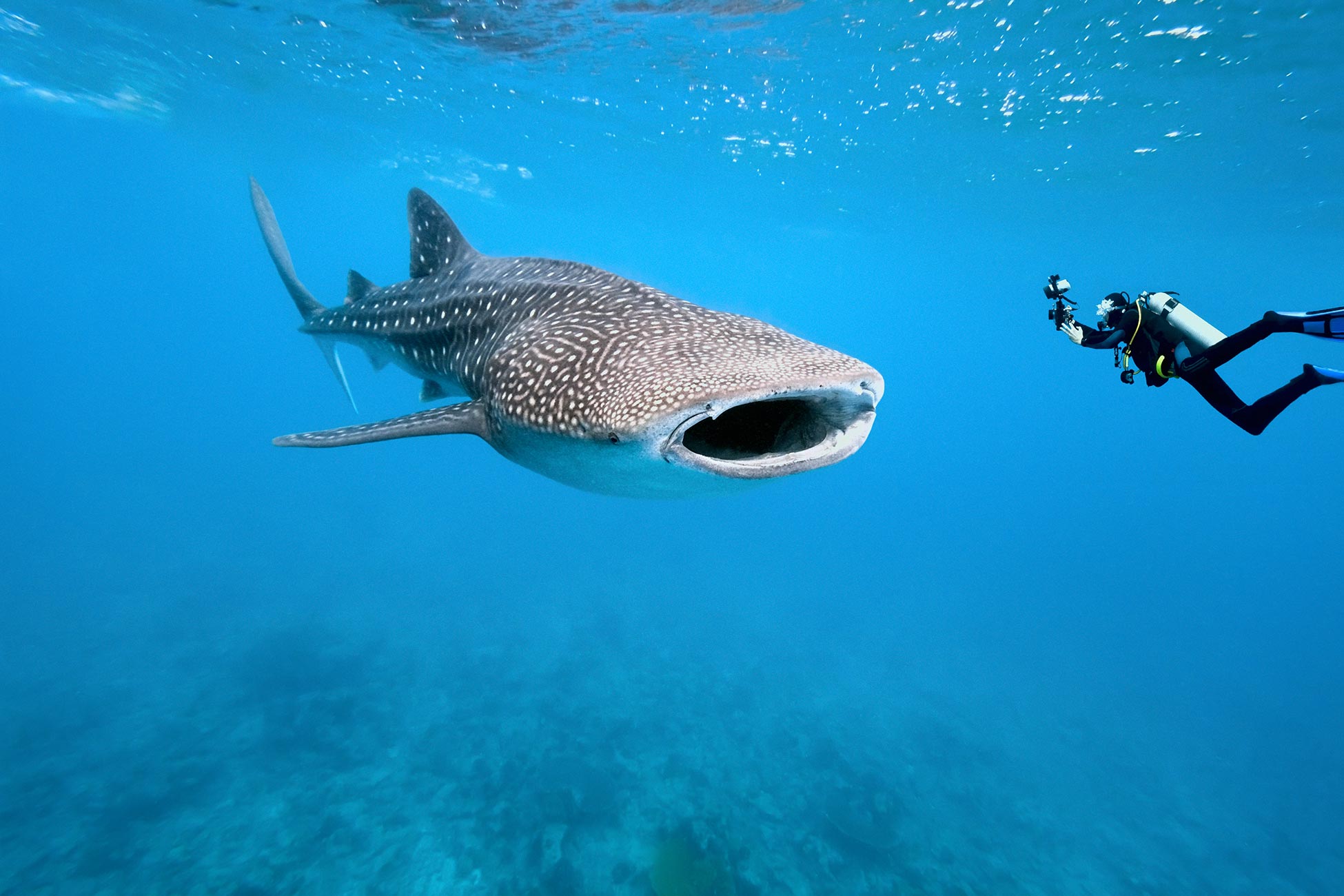
Whale sharks are known for their calm and docile behavior, making them a favorite among divers. They are filter feeders, swimming slowly with their mouths open to scoop up plankton and other small organisms. Despite their massive size, they pose no significant threat to humans and are generally considered harmless.
Little is known about the reproductive habits of whale sharks as their mating and birthing processes have rarely been observed. It is believed that they are ovoviviparous, meaning the eggs hatch inside the female's body and the pups are born live. Female sharks can give birth to hundreds of pups at once, but the survival rate is relatively low.
Conservation Status

Whale sharks are listed as a vulnerable species by the International Union for Conservation of Nature (IUCN). They face numerous threats, including habitat destruction, accidental entanglement in fishing gear, and targeted fishing for their meat, fins, and oil. Their slow growth and late maturation make them particularly vulnerable to population declines.
Efforts are being made worldwide to protect and conserve these magnificent creatures. Many countries have implemented regulations to prohibit hunting and fishing for whale sharks, while marine protected areas have been established to safeguard their habitats. Additionally, research and education initiatives aim to raise awareness about the importance of preserving these gentle giants.
Conclusion
The whale shark is a truly remarkable species that continues to awe and inspire people around the world. Its immense size, peaceful nature, and unique characteristics make it a prized encounter for divers and marine enthusiasts everywhere. However, it is crucial that we work together to protect and conserve these gentle giants to ensure their survival for future generations.
