
Introduction
Sharks are fascinating creatures that have captured the imagination of humans for centuries. With their sleek bodies and powerful jaws, they are often portrayed as fearsome predators. However, there is much more to these incredible animals than meets the eye. In this article, we will explore the background of sharks, including their evolution, anatomy, behavior, and conservation status.
Evolution of Sharks

Sharks have been around for millions of years, with fossil evidence dating back over 400 million years. They belong to a group of fish called Chondrichthyes, which includes rays and skates. The earliest known sharks had a different appearance compared to modern species, but they already possessed many of the characteristic features that define sharks today.
Over time, sharks have undergone various evolutionary adaptations, allowing them to become highly efficient predators. Their streamlined bodies, multiple rows of sharp teeth, and powerful tails enable them to swim swiftly and catch their prey with precision. These adaptations have allowed sharks to thrive in diverse marine environments around the world.
Anatomy of Sharks

Sharks have a unique anatomy that sets them apart from other fish. Their skeleton is composed of cartilage, which is lighter and more flexible than bone. This allows sharks to move with agility and navigate through the water effortlessly. Their skin is covered in tiny tooth-like scales called dermal denticles, which reduce friction and enable faster swimming.
One of the most iconic features of sharks is their teeth. They have rows of sharp, serrated teeth that are continually replaced throughout their lifetime. This constant tooth regeneration ensures that sharks always have functional teeth for hunting and consuming their prey. Different shark species have teeth adapted for various diets, ranging from small fish and invertebrates to large marine mammals.
Behavior of Sharks
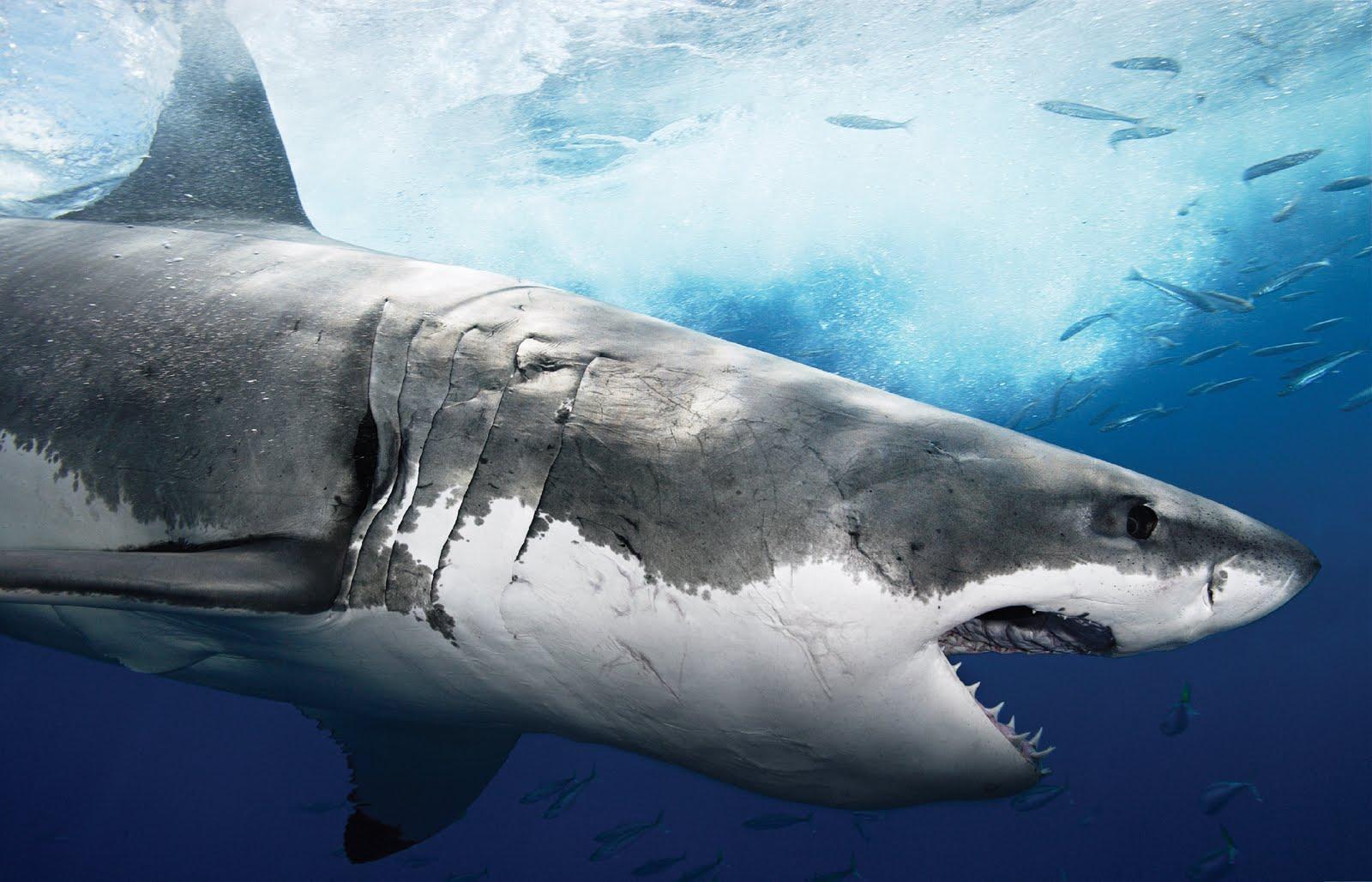
Sharks display a wide range of behaviors, influenced by their ecological role and habitat. While some species are solitary, others form social groups or migrate in large numbers. Sharks use various hunting techniques, including ambush predation, chasing, and filter feeding. Some species, such as the great white shark, are known for their spectacular breaching behavior, leaping out of the water to catch prey.
Contrary to popular belief, most sharks are not a threat to humans. They typically prefer their natural prey and only rarely mistake humans for food. However, it is essential to respect their space and avoid behaviors that may provoke defensive reactions. Understanding shark behavior is crucial for both human safety and the conservation of these magnificent creatures.
Conservation Status of Sharks
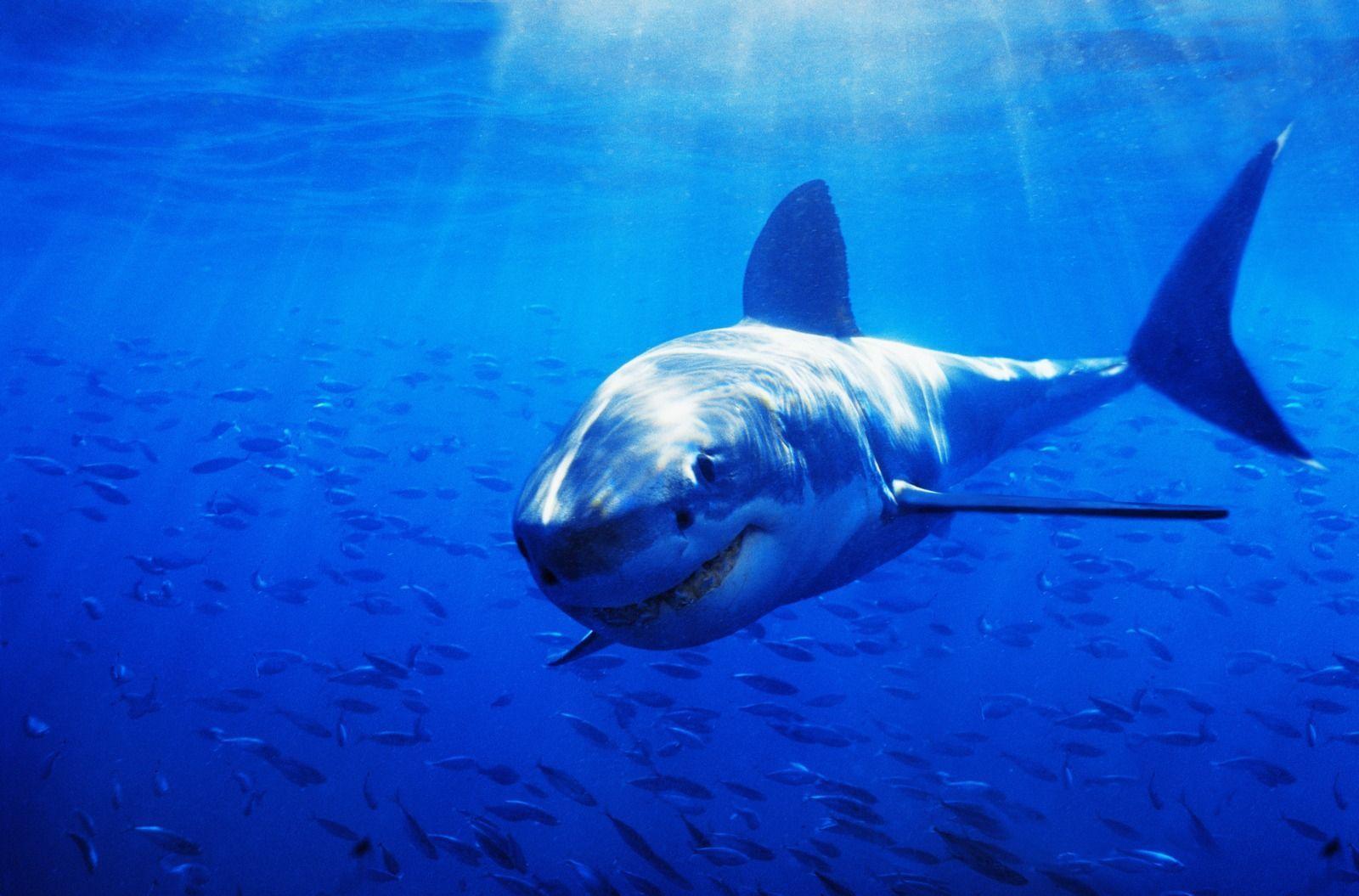
Sharks face numerous threats that have led to a decline in their populations worldwide. Overfishing, habitat destruction, and bycatch are significant factors contributing to their vulnerability. Additionally, the demand for shark fins, primarily driven by the shark fin soup industry, has led to the targeted hunting of sharks, putting many species at risk of extinction.
Efforts are being made to protect and conserve sharks through various initiatives. Conservation organizations work to establish marine protected areas, promote sustainable fishing practices, and raise awareness about the importance of sharks in marine ecosystems. It is crucial to recognize the value of sharks and take action to ensure their survival for future generations.
Conclusion
Sharks are incredible creatures that have evolved over millions of years to become formidable predators. Their unique anatomy, diverse behaviors, and conservation status make them a subject of great interest and concern. By understanding and appreciating sharks, we can contribute to their conservation and promote a healthy marine ecosystem for all species.
